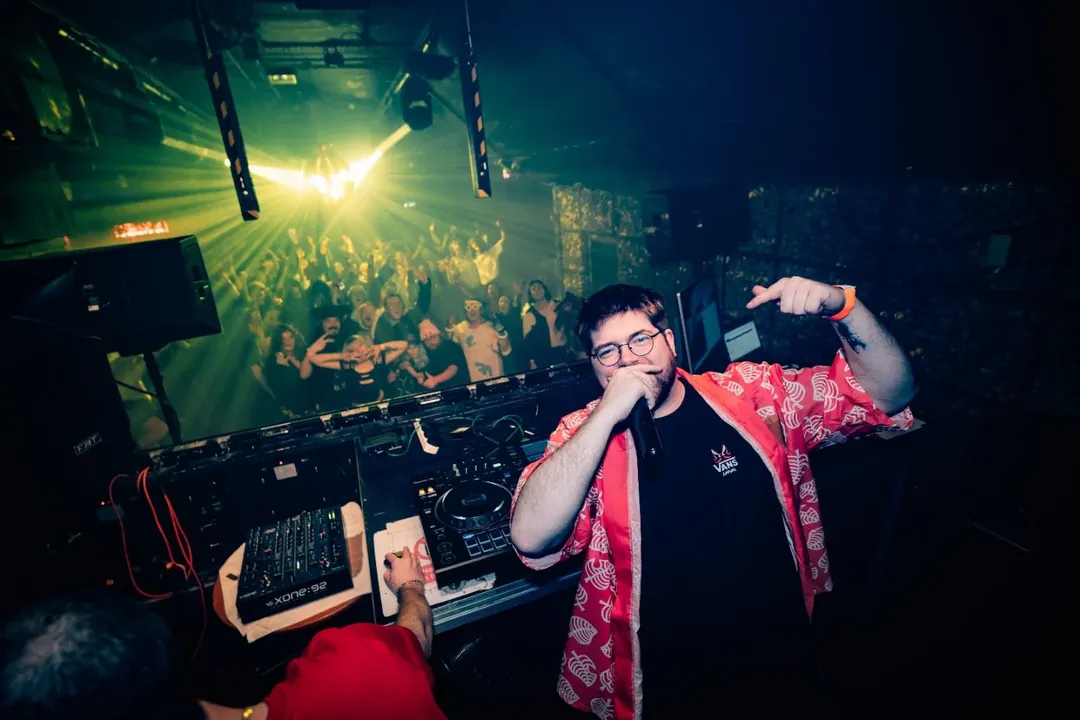
Views are not the same as belonging.
The most important distinction in modern creator strategy. What attention actually measures versus what community measures, and why most media organisations structurally confuse the two.
On community systems, creator ecosystems, audience retention, fandom culture, event design, and what it actually means to build something that lasts.
The most important distinction in modern creator strategy, and the one most consistently ignored. What attention metrics measure, what community metrics measure, and why confusing the two is the structural flaw at the centre of how most media organisations operate.
Read essay ↗The most important distinction in modern creator strategy. What attention actually measures versus what community measures, and why most media organisations structurally confuse the two.
Inside the machine. What it looks like when content industrialises at scale, what you gain in efficiency, and what you permanently lose in the process.
The hidden architecture behind participatory events. Why the room matters more than the poster, and how ritual creates the belonging that attendance alone never could.
Audiences follow people, not logos. The pattern across every major creator ecosystem collapse, and what it means for anyone building a content brand in 2025.
What fandom actually is, not a niche interest category, but an emotional identity infrastructure. Why brands consistently misread it and what genuine fandom-led community actually requires.
Platforms provide distribution. They rarely provide ownership. The structural vulnerability at the centre of how most creators and media brands operate, and what to do about it.
On the cultural infrastructure gap in Northern Ireland, the disappearing venues, the underinvested fandom spaces, and what it takes to build something that actually lasts.
The practical architecture behind NerdyNI's first year: pre-validation, word of mouth, atmosphere design, and the conversion system that turns first-time attendees into repeat community members.
The intentional design of emotional safety and participatory acceptance. The result of deliberately constructing rituals, recognising individuals, and designing environments where identity expression is low-risk.
Retention built through emotional pacing rather than informational density. The mechanism behind both high-performing content and high-retention events.
The emotional pull generated when a community successfully fulfils social and identity needs. Scarcity of infrastructure intensifies it, which is why Northern Ireland's nerd scene has unusually high loyalty.
When a community initiative becomes overtaken by institutional politics, ego, or competing interests. MiniCon. The single most important lesson in community leadership.
The progression from passive observer to active steward. Viewer → Attendee → Participant → Community Member → Volunteer → Organiser. NerdyNI's operating design actively pushes people up this ladder.
Most creators and media brands don't own audiences. They borrow discoverability from platforms. The structural vulnerability this creates, and what genuine audience ownership actually requires.
Grouped by what they're actually useful for. Not an exhaustive list. These are the ones I'd hand someone directly.
Yuri Lowenthal and Tara Platt. The single best book on voice acting: what to expect, warmups, shared experiences from working professionals. Get the audiobook specifically; hearing it performed changes everything.
Daniel Priestley. How to position yourself or your business so demand exceeds supply. The core framework (signal, nurture, convert) is applicable to events, services, and personal brands.
Daniel Priestley. Five steps to becoming the go-to person in your field: pitch, publish, productise, profile, partner. The most practical authority-building framework I've encountered.
Alex Hormozi. The most practical book on lead generation written in the last decade. The core insight, that most businesses have a leads problem not an offer problem, sounds obvious until you realise almost nobody acts on it.
Alex Hormozi. How to craft an offer so good people feel stupid saying no. The value equation is one of those frameworks you can't un-see once you have it.
Robert Cialdini. The foundational text on how humans are persuaded. Reciprocity, commitment, social proof, authority, liking, scarcity. If you understand these six principles you understand most of why marketing works when it works.
Chris Voss. FBI hostage negotiation applied to everyday conversations. Tactical empathy, mirroring, calibrated questions. Essential for anyone who sells or leads.
Zoe Fraade-Blanar and Aaron Glazer. The definitive book on superfans: how they form, what they need, and how brands and creators can build the conditions for them to emerge.
Blake Snyder. The screenwriting beat sheet that changed how Hollywood structures stories. The beats apply to brand narratives, presentations, event structures, and any content that needs to hold attention over time.